

The importance of skill in casino games
In the realm of casino gaming, skill plays a pivotal role in determining success. Unlike purely luck-based games, skill-based games such as poker, blackjack, and certain forms of sports betting require players to engage their minds strategically. For instance, a poker player must understand the odds, make calculated bets, and read their opponents effectively. Many players also explore the exciting world of online casino options, which offer various games that emphasize strategy and skill. These elements emphasize how skill can significantly tilt the odds in a player’s favor, reinforcing the idea that knowledge and practice are indispensable in achieving success.
Moreover, skill in these games translates into a deeper comprehension of game mechanics and strategies. For instance, a proficient blackjack player will know when to hit, stand, or double down based on the dealer’s hand and their own. This decision-making ability can be the difference between winning and losing. Additionally, understanding the rules and nuances of each game enhances a player’s strategic approach, allowing them to develop a distinct style that can be adapted to various situations, contributing to an edge over less informed players.
Furthermore, honing one’s skills involves continuous learning and adaptation. As the casino landscape evolves, so do strategies. Players who engage in regular practice and remain updated with new techniques or analysis will likely perform better than those who rely solely on instinct or luck. This commitment to skill development not only boosts confidence but also instills a sense of control over one’s gaming experience, making it an essential element of long-term success in casino environments.
Strategy as a game changer
The concept of strategy is not merely about decision-making; it encompasses a comprehensive approach to gameplay that can make a significant difference in outcomes. A well-thought-out strategy addresses various components such as bankroll management, risk assessment, and game selection. Players must determine how much to wager, when to increase their stakes, and which games to play based on their comfort level and expertise. This strategic planning helps minimize losses and maximize potential winnings.
Moreover, a successful strategy involves understanding the psychology behind gaming. Players who can maintain composure and make rational decisions, despite the emotional highs and lows of gambling, often enjoy better success. For example, a strategic player might avoid chasing losses by setting strict limits on their playtime and budget. This self-discipline is crucial in navigating the often tumultuous environment of a casino, ensuring that a strategy remains in place even amidst the allure of immediate rewards.

In addition, advanced strategies such as card counting in blackjack or utilizing betting systems can further enhance a player’s chances of success. These strategies require a high level of skill, practice, and concentration. However, their implementation can lead to increased advantages over the house edge, transforming the way a player engages with the game. By understanding and applying these strategies, skillful players can significantly influence their gaming outcomes and enjoy a more rewarding casino experience.
Adapting to different games and environments
Each casino game presents unique challenges and opportunities, demanding that players adapt their strategies accordingly. For instance, the skill set required for poker vastly differs from that needed for roulette. In poker, players must analyze opponents and manage their own bets strategically, while roulette relies heavily on chance, making strategy somewhat limited. Therefore, successful casino players must recognize these differences and adjust their approaches based on the game at hand.
Additionally, the environment of the casino itself influences gaming strategy. Factors such as noise levels, crowd dynamics, and personal emotions can impact decision-making. A skillful player will learn to remain focused despite these distractions, employing techniques such as deep breathing or positive visualization to maintain composure. This ability to adapt both to game mechanics and the surrounding ambiance is vital for achieving success in various situations.
Furthermore, technology’s role in modern gaming environments introduces yet another layer of complexity and opportunity for strategic development. Online casinos, for instance, provide a different set of tools and analytics that players can leverage. Understanding the functionality of these platforms, including using data to inform betting choices, can elevate a player’s strategy. The capacity to navigate both traditional and digital gaming spaces effectively is a testament to a player’s skill and adaptability, serving as a critical component in their overall success.
The psychological aspect of casino success
The psychological dimension of gaming is often overlooked, yet it significantly impacts a player’s performance. Understanding one’s mental state can enhance decision-making and strategic execution. For instance, a player in a positive mindset will likely make better strategic choices than someone who is anxious or frustrated. Therefore, cultivating a strong psychological foundation is essential for achieving long-term success in the casino.
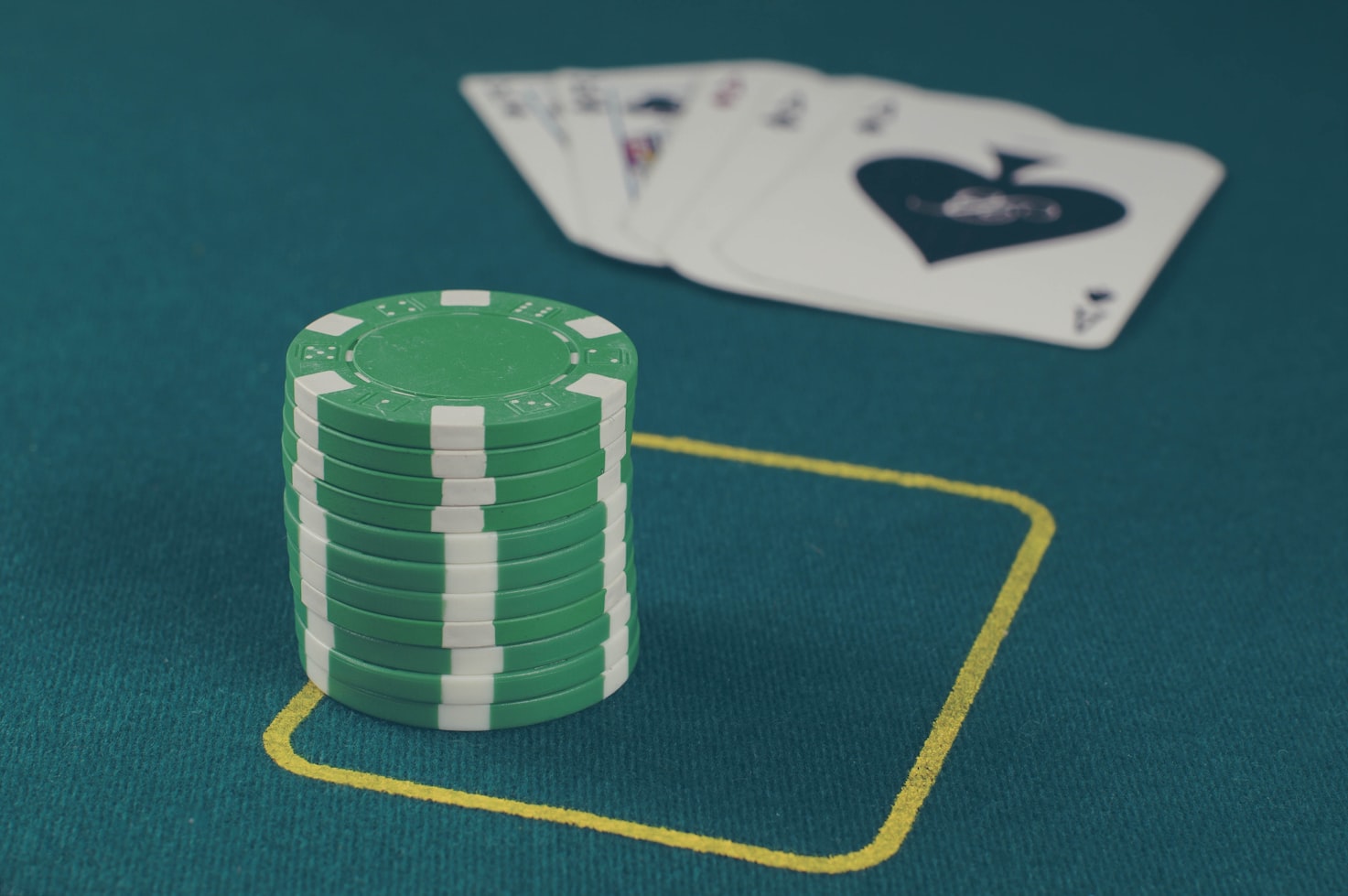
Moreover, a player’s ability to manage emotions during gameplay can serve as a strategic advantage. The highs of winning can lead to impulsive decisions, while the lows of losing can trigger emotional reactions such as frustration or despair. A skillful player learns to harness these emotions, using techniques like mindfulness and emotional regulation to maintain focus and clarity. This psychological resilience forms the backbone of strategic success in high-stakes environments.
Additionally, the role of confidence cannot be understated. Players who believe in their skills and strategies are more likely to take calculated risks that can pay off. This self-assuredness often stems from experience and a thorough understanding of game dynamics, reinforcing the importance of skill and strategy. A balanced approach that combines psychology with tactical gameplay forms a comprehensive strategy, ultimately leading to greater success in the casino arena.
Exploring resources and communities
In the quest for honing skills and developing successful strategies, various resources and communities can be immensely beneficial. Online forums, blogs, and educational platforms provide invaluable insights into game tactics, player experiences, and emerging strategies. Engaging with a community of like-minded individuals allows players to share knowledge and experiences, fostering growth and improvement. Learning from others’ successes and mistakes can significantly sharpen one’s own gameplay.
Additionally, training software and apps designed for specific casino games can offer practical opportunities for skill enhancement. These tools often simulate real-game scenarios, allowing players to practice decision-making and strategy in a risk-free environment. By incorporating these resources into their routine, players can deepen their understanding of games, refine their strategies, and gain confidence in their skills.
Moreover, seeking mentorship or coaching can provide personalized guidance tailored to an individual’s strengths and weaknesses. Expert advice can illuminate the intricacies of gameplay, helping players develop a customized strategy that aligns with their goals. This collaborative approach to skill development not only accelerates learning but also cultivates a more profound appreciation for the strategic elements of casino gaming.
